Destroying Young Nigerians in 2026
Why More Young Nigerians Are Suddenly Falling Sick
For years, many Nigerians believed serious health problems mainly affected older people.
That belief is collapsing fast.
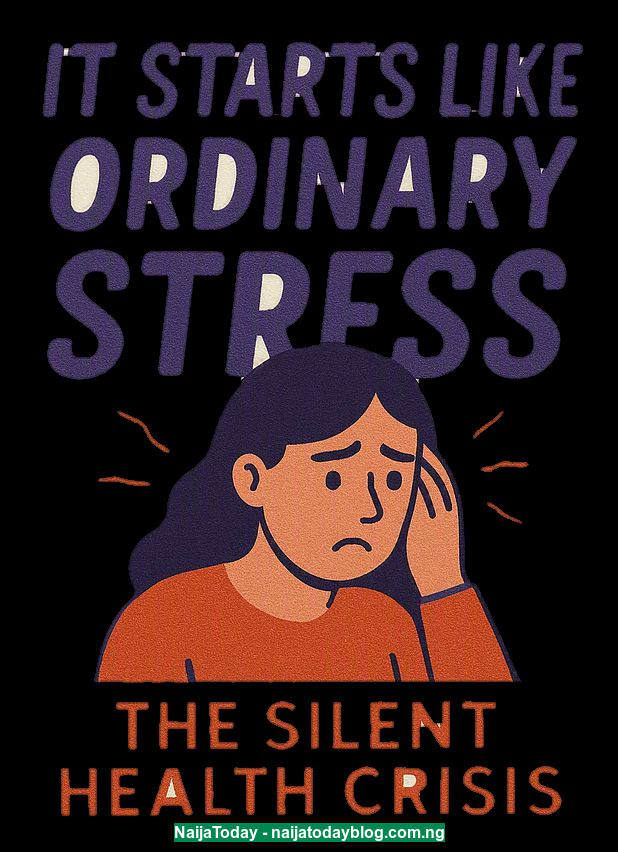
Across Nigeria today, more young people in their 20s and 30s are quietly battling strange symptoms that doctors increasingly link to stress, exhaustion, poor sleep, unhealthy diets, anxiety, and extreme economic pressure.
What makes this situation dangerous is that many people ignore the warning signs until their bodies completely break down.
It often begins with symptoms people dismiss casually:
Constant headaches
Chest discomfort
Sudden fatigue
Fast heartbeat
Frequent body weakness
Difficulty sleeping
Memory problems
Persistent anxiety
Stomach issues
Emotional burnout
Many simply say:
“Na stress.”
But health experts warn that what Nigerians casually call “ordinary stress” may actually be developing into serious long-term health conditions.
A silent health crisis is growing across Nigeria — and young people are increasingly becoming victims.
Nigeria’s Economic Pressure Is Affecting Physical Health
The average Nigerian today faces enormous daily pressure.
Transport costs continue rising.
Food prices remain unstable.
Electricity supply creates frustration.
Internet subscriptions have become essential expenses.
Job insecurity increases anxiety.
Family responsibilities continue growing.
Many young Nigerians now work multiple jobs or side hustles simply to survive.
Unfortunately, the human body was never designed for permanent stress.
When stress becomes constant, the body reacts biologically.
Stress hormones remain elevated.
Sleep quality reduces.
Blood pressure may increase.
Immune systems weaken.
Mental exhaustion affects physical health gradually.
The dangerous part is that many people continue functioning while their health quietly deteriorates.
The Rise of “Functional Sickness” in Nigeria
One alarming trend doctors increasingly notice is what some call functional sickness.
This describes people who appear normal externally but are internally exhausted physically and mentally.
They still go to work.
They still attend school.
They still smile publicly.
But privately, their bodies are struggling badly.
Many Nigerians now normalize symptoms that should actually raise concern.
Examples include:
Sleeping only 3–4 hours daily
Constant tiredness
Heavy dependence on caffeine
Daily headaches
Severe anxiety
Irregular eating habits
Panic episodes
Extreme emotional irritability
Because hardship became common, unhealthy living patterns also became normalized.
Why Young Nigerians Rarely Take Health Seriously
Several factors contribute to this growing health problem.
1. Hospital Bills Are Expensive
Many Nigerians avoid medical checkups because healthcare costs continue rising.
Some people only visit hospitals when conditions become severe.
Preventive healthcare remains uncommon among many youths.
Unfortunately, delaying treatment often worsens medical conditions.
2. Hustle Culture Is Glorified
Social media constantly praises overworking.
People celebrate sleeping less.
Rest is sometimes viewed as laziness.
Many young Nigerians now believe exhaustion equals ambition.
But medical experts repeatedly warn that chronic stress damages the body over time.
3. Poor Feeding Habits
Economic hardship affects nutrition badly.
Many people now prioritize cheap filling foods over balanced diets.
Some skip meals entirely due to busy schedules or financial pressure.
Others survive heavily on:
Instant noodles
Sugary drinks
Fast food
Bread-based meals
Processed snacks
Poor nutrition weakens the body gradually.
4. Sleep Deprivation Is Becoming Common
One of the most dangerous habits among Nigerian youths today is poor sleep.
Many people stay awake late because of:
Work
Side hustles
Anxiety
Social media
Entertainment
Online business activities
Sleep is not luxury.
It is essential biological recovery.
Without proper rest, the body struggles to repair itself effectively.
The Link Between Stress and High Blood Pressure
High blood pressure used to be associated mainly with older adults.
Today, younger Nigerians increasingly face hypertension risks.
Several factors contribute:
Chronic stress
Poor diets
Lack of exercise
Excess salt intake
Sleep problems
Alcohol abuse
Smoking
What makes hypertension dangerous is that it often develops silently.
Some people discover it only after severe complications occur.
Anxiety Is Increasing Quietly Among Nigerian Youths
Mental health conversations are becoming more common in Nigeria, but many people still suffer silently.
Young Nigerians today face uncertainty in many areas:
Employment
Relationships
Finances
Education
Family expectations
Social pressure
This constant pressure contributes to growing anxiety levels.
Unfortunately, many people ignore emotional health until panic attacks, emotional breakdowns, or depression appear.
Some symptoms Nigerians often overlook include:
Racing thoughts
Constant worry
Sudden fear
Difficulty concentrating
Emotional numbness
Overthinking
Frequent mood swings
Mental health deserves serious attention, just like physical health.
Why Social Media Is Making Health Worse for Many People
Social media offers benefits, but it also creates hidden emotional pressure.
Many Nigerians constantly compare themselves to unrealistic lifestyles online.
People see:
Luxury vacations
Expensive gifts
New cars
Marriage announcements
Career success stories
Financial achievements
Repeated comparison creates emotional stress.
Some begin feeling left behind in life.
Others overwork themselves trying to “catch up.”
This emotional pressure eventually affects health physically and mentally.
The Dangerous Energy Drink Culture Among Nigerian Youths
Energy drink consumption has increased significantly across Nigeria.
Many students, workers, drivers, and business owners rely on stimulants to remain active.
Some consume multiple cans daily.
Others combine energy drinks with alcohol.
Excessive stimulant intake may contribute to:
Increased heart rate
Anxiety
Sleep disorders
Elevated blood pressure
Heart strain
Temporary energy often comes with hidden long-term consequences.
Why Exercise Is Disappearing From Nigerian Lifestyles
Modern Nigerian lifestyles have become increasingly sedentary.
Many people spend hours:
Sitting in traffic
Working online
Using smartphones
Watching screens
Physical movement has reduced significantly.
Exercise improves:
Heart health
Blood circulation
Mental health
Stress management
Weight control
Energy levels
Unfortunately, many people postpone exercise endlessly because of busy schedules.
The Growing Problem of Emotional Burnout
Burnout is becoming extremely common among young Nigerians.
Burnout happens when prolonged stress overwhelms emotional and physical capacity.
Signs include:
Lack of motivation
Emotional exhaustion
Constant fatigue
Reduced productivity
Irritability
Feeling mentally drained
Many hardworking Nigerians continue pushing themselves beyond healthy limits without recovery.
Eventually, the body forces rest through sickness.
Why Men Often Ignore Symptoms Longer
Many Nigerian men grow up believing they must always appear strong.
As a result, some avoid discussing health struggles openly.
Others ignore symptoms until conditions become severe.
This contributes to delayed diagnosis and treatment.
Health problems do not disappear simply because they are ignored.
Early medical attention saves lives.
Nigerian Women Are Also Facing Rising Health Pressure
Women today balance multiple responsibilities simultaneously.
Many combine:
Careers
Parenting
Businesses
Family obligations
Household management
This creates significant emotional and physical stress.
Hormonal health, emotional wellness, and proper rest deserve greater attention among women as well.
Small Lifestyle Changes Can Save Lives
Many serious health problems develop gradually.
Simple improvements can reduce risks significantly.
Examples include:
Drinking more water
Sleeping properly
Exercising regularly
Reducing excessive sugar
Eating more fruits and vegetables
Managing stress better
Taking regular medical checkups
Small healthy habits repeated consistently often produce major long-term benefits.
Nigerians Must Stop Treating Their Bodies Like Machines
One dangerous mentality in Nigeria is the belief that people must constantly endure suffering without rest.
The human body has limits.
Ignoring those limits repeatedly creates consequences eventually.
Many Nigerians prioritize money while neglecting health completely.
But poor health can destroy productivity, relationships, finances, and quality of life.
Health is not weakness.
Rest is not laziness.
Preventive healthcare is not unnecessary spending.
Taking care of the body should become a serious priority.
The Silent Crisis Needs More Attention
Nigeria’s health conversation must expand beyond infectious diseases alone.
Stress-related illnesses, emotional burnout, poor lifestyle habits, and mental health challenges are increasing rapidly among young people.
Unfortunately, many still suffer silently because symptoms appear gradually.
The body often whispers before it screams.
Ignoring those whispers may become dangerous over time.
Young Nigerians are ambitious, resilient, and hardworking.
But survival should not come at the cost of complete physical and mental breakdown.
The future belongs not only to people who hustle hard — but also to those healthy enough to enjoy the lives they are building.