The Role of Religion in Modern Nigeria: Why Faith Continues to Shape Millions of Lives in 2026
Religion remains one of the most powerful influences in the lives of millions of Nigerians. Across major cities, small towns, and rural communities, faith continues to shape how people think, make decisions, raise children, conduct business, and interact with society.
Whether through Christianity, Islam, or traditional belief systems, religion remains deeply woven into Nigeria's cultural identity and social structure. Despite rapid technological advancement, globalization, and modernization, places of worship continue to attract millions of followers every week.
For many Nigerians, religion goes far beyond attending church services or Friday prayers. It represents identity, community, hope, discipline, and purpose.
In 2026, religion remains not only a spiritual practice but also a powerful force influencing national conversations, cultural values, and community development throughout the country.
Nigeria's Reputation as One of the World's Most Religious Nations
Nigeria has long been recognised as one of the most religious countries in the world.
Religious activities are visible in virtually every part of society. Churches and mosques are found in almost every neighbourhood, while religious messages dominate radio stations, television channels, newspapers, and social media platforms.
Major religious gatherings attract enormous crowds and generate nationwide attention.
For many Nigerians, religious identity forms an important part of personal identity and family life.
Children are often introduced to faith traditions from an early age, and religious celebrations remain central to community life.
This strong religious culture has continued across generations and remains a defining characteristic of Nigerian society.
Religion as a Source of Hope During Difficult Times
Nigeria has experienced numerous social and economic challenges over the years, including inflation, unemployment, insecurity, and political uncertainty.
During these difficult periods, religion has often served as a major source of comfort and resilience for millions of citizens.
Many Nigerians turn to faith for emotional support, encouragement, and guidance when facing personal or financial difficulties.
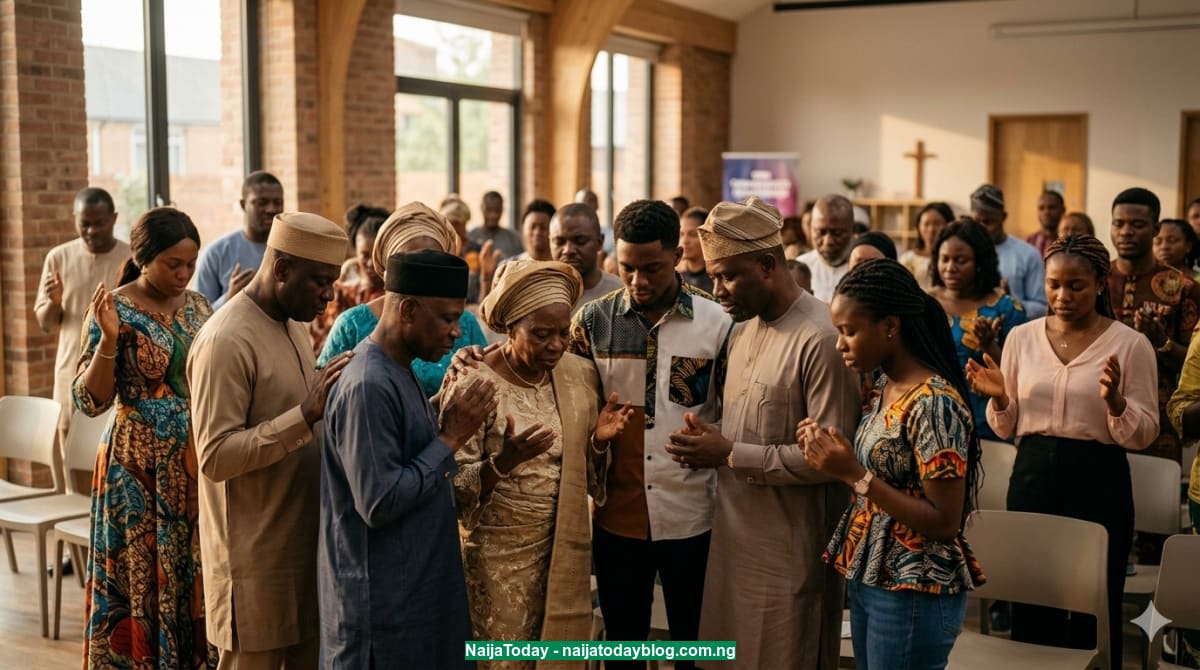
Prayer meetings, counselling sessions, and religious gatherings often provide hope during periods of uncertainty.
For families dealing with illness, unemployment, bereavement, or economic hardship, faith communities frequently become important support systems.
Religious institutions provide spaces where people can share burdens, seek encouragement, and find reassurance that difficult situations can improve.
For many Nigerians, faith remains one of the strongest sources of emotional strength.
The Historical Contribution of Religious Institutions
Religious organizations have played important roles in Nigeria's development long before independence.
Many of the country's oldest schools, hospitals, and educational institutions were established by religious missions and faith-based organizations.
These institutions contributed significantly to literacy, healthcare, and human capital development across different regions of the country.
Even today, religious organizations continue operating schools, universities, hospitals, orphanages, and community centres that serve millions of Nigerians annually.
Many private educational institutions owned by religious bodies enjoy strong reputations for discipline and academic excellence.
Healthcare institutions established by faith-based organizations also continue providing medical services to communities nationwide.
Their contributions extend far beyond spiritual activities.
Religion and Community Development
Religious institutions remain among the most active contributors to community development across Nigeria.
Churches, mosques, and faith-based organizations regularly organize humanitarian programs designed to support vulnerable populations.
These activities include:
Food distribution programs
Scholarship schemes
Medical outreach services
Support for widows and orphans
Youth empowerment initiatives
Emergency relief assistance
Community development projects
In many communities where government support may be limited, religious organizations often become the first source of assistance during crises.
Their ability to mobilize volunteers and resources quickly allows them to respond effectively to emergencies and social challenges.
Youth Development and Mentorship
One of the most significant ways religion influences modern Nigeria is through youth development.
Many churches and mosques now operate mentorship programmes designed to support young people academically, professionally, and spiritually.
Youth conferences, leadership seminars, entrepreneurship workshops, and career development programmes have become common features within religious communities.
Young Nigerians increasingly view religious institutions as places where they can access guidance beyond spiritual matters.
Many young professionals seek advice regarding careers, relationships, business opportunities, and personal development from trusted religious mentors.
Faith communities often provide networking opportunities that help individuals build valuable personal and professional relationships.
For students and graduates navigating uncertain economic conditions, these support systems can be particularly valuable.
Religion and Moral Values
Religion continues to play an important role in shaping moral values and social behaviour in Nigeria.
Teachings regarding honesty, compassion, discipline, responsibility, and respect remain central to many faith traditions.
For many families, religious instruction serves as an important foundation for raising children and transmitting values across generations.
Religious teachings often influence attitudes toward marriage, parenting, education, business ethics, and community responsibilities.
Although society continues to evolve rapidly, many Nigerians still rely on religious principles as moral guidelines when making difficult decisions.
Faith remains a moral compass for millions of people navigating increasingly complex social environments.
The Rise of Digital Ministry
Technology has transformed virtually every sector of society, and religion has been no exception.
The growth of digital ministry has become one of the most significant developments within Nigeria's religious landscape.
Religious organizations now use livestreaming services, mobile applications, podcasts, websites, and social media platforms to reach followers both locally and internationally.
Many Nigerians now participate in worship services without physically attending places of worship.
Religious leaders can share sermons, teachings, and inspirational messages with millions of followers instantly through digital platforms.
This shift became especially important during periods when physical gatherings faced restrictions and has continued to grow ever since.
Digital ministry has made religious content more accessible than at any other time in history.
Social Media and Religious Engagement
Social media has changed the way Nigerians interact with religion.
Daily devotional messages, inspirational videos, scripture reflections, and educational content are now consumed by millions of users online.
Religious discussions frequently trend across social media platforms, generating conversations on spirituality, morality, and social issues.
Young people in particular have embraced digital religious communities that allow them to engage with faith content in flexible and convenient ways.
Online platforms have also created opportunities for interfaith dialogue and educational discussions that may not have occurred through traditional channels.
Technology has effectively removed geographical barriers from religious engagement.
Religion and National Unity
Nigeria is home to diverse religious traditions and cultural identities.
Despite occasional tensions, many religious leaders continue promoting peaceful coexistence, tolerance, and mutual respect among different communities.
Interfaith dialogue initiatives have become increasingly important in encouraging understanding and reducing suspicion between religious groups.
Many faith leaders regularly emphasize shared values such as compassion, honesty, service, and respect for human dignity.
Religious institutions often play important roles in conflict resolution and peacebuilding efforts within communities.
Their influence can contribute significantly to social stability and national cohesion.
Faith and Personal Decision-Making
For many Nigerians, religion influences decisions in almost every aspect of life.
Faith often shapes choices regarding:
Marriage and family life
Career decisions
Business ethics
Educational pursuits
Financial behaviour
Community service
Leadership responsibilities
Many people consult religious leaders or rely on spiritual guidance when making major life decisions.
This influence remains strong even among highly educated professionals and business executives.
Religion continues to provide a framework through which many Nigerians interpret personal experiences and future aspirations.
The Perspective of Young Nigerians
Contrary to assumptions that younger generations are becoming less religious, many young Nigerians remain deeply engaged with faith communities.
Young people frequently describe religious institutions as places where they find belonging, mentorship, encouragement, and emotional support.
Several students and professionals say religious teachings help them remain focused during difficult periods of life.
Faith communities often provide social networks that reduce feelings of isolation and uncertainty.
For many young Nigerians facing economic challenges and career pressures, these support systems are extremely valuable.
Calls for Greater Social Impact
While many Nigerians appreciate the contributions of religious institutions, some observers believe there is room for even greater involvement in social development.
Critics argue that religious organizations possess significant influence and resources that could further contribute to addressing poverty, unemployment, and educational inequality.
Many people believe faith-based institutions can expand investments in vocational training, entrepreneurship support, and community development projects.
Religious leaders themselves increasingly acknowledge the importance of balancing spiritual activities with practical interventions that improve lives.
This conversation continues shaping discussions about the future role of religion in national development.
Why Religion Will Continue to Matter
Several factors suggest religion will remain highly influential in Nigeria for many years to come.
The country's youthful population, strong family traditions, and community-oriented culture continue supporting active religious participation.
Technology has also expanded access to religious content, making spiritual engagement easier regardless of geographical location.
As society faces economic uncertainty, rapid technological change, and shifting cultural values, many people continue searching for meaning, purpose, and stability.
Religion remains one of the institutions best positioned to provide those needs.
Its influence therefore extends beyond worship into broader questions of identity and belonging.
The Future of Faith in Nigeria
As Nigeria continues to evolve socially, economically, and technologically, religion is also adapting to new realities.
Future religious engagement will likely involve even greater use of digital platforms, online communities, and technology-driven outreach strategies.
At the same time, traditional roles involving education, healthcare, charity work, and community development are expected to remain important.
Religious institutions that successfully combine spiritual guidance with practical social impact may become even more influential in the years ahead.
Final Thoughts
Religion continues to be one of the most influential aspects of Nigerian life in 2026.
Beyond worship services and spiritual practices, it shapes values, relationships, education, community development, and national conversations.
Through youth empowerment programmes, humanitarian activities, digital ministry, and advocacy for peaceful coexistence, religious institutions remain important pillars of society.
While debates and challenges surrounding religion will undoubtedly continue, its role in providing hope, guidance, belonging, and social support remains undeniable.
As Nigeria moves forward, faith will likely continue serving as a powerful force that inspires individuals and communities to pursue positive change and collective progress.
For millions of Nigerians, religion is not simply something they practice occasionally—it remains a fundamental part of how they understand themselves, their communities, and their future.