The kidnapping of Chief Sir Joseph Ezeokafor, the 74-year-old Chairman of Jezco Group and father of flamboyant socialite Jowizaza, has taken a dramatic and deeply personal turn.
What started as a terrifying abduction story has now become
a full-blown family war — played out in public, on social media, and in the
headlines of every Nigerian news outlet.
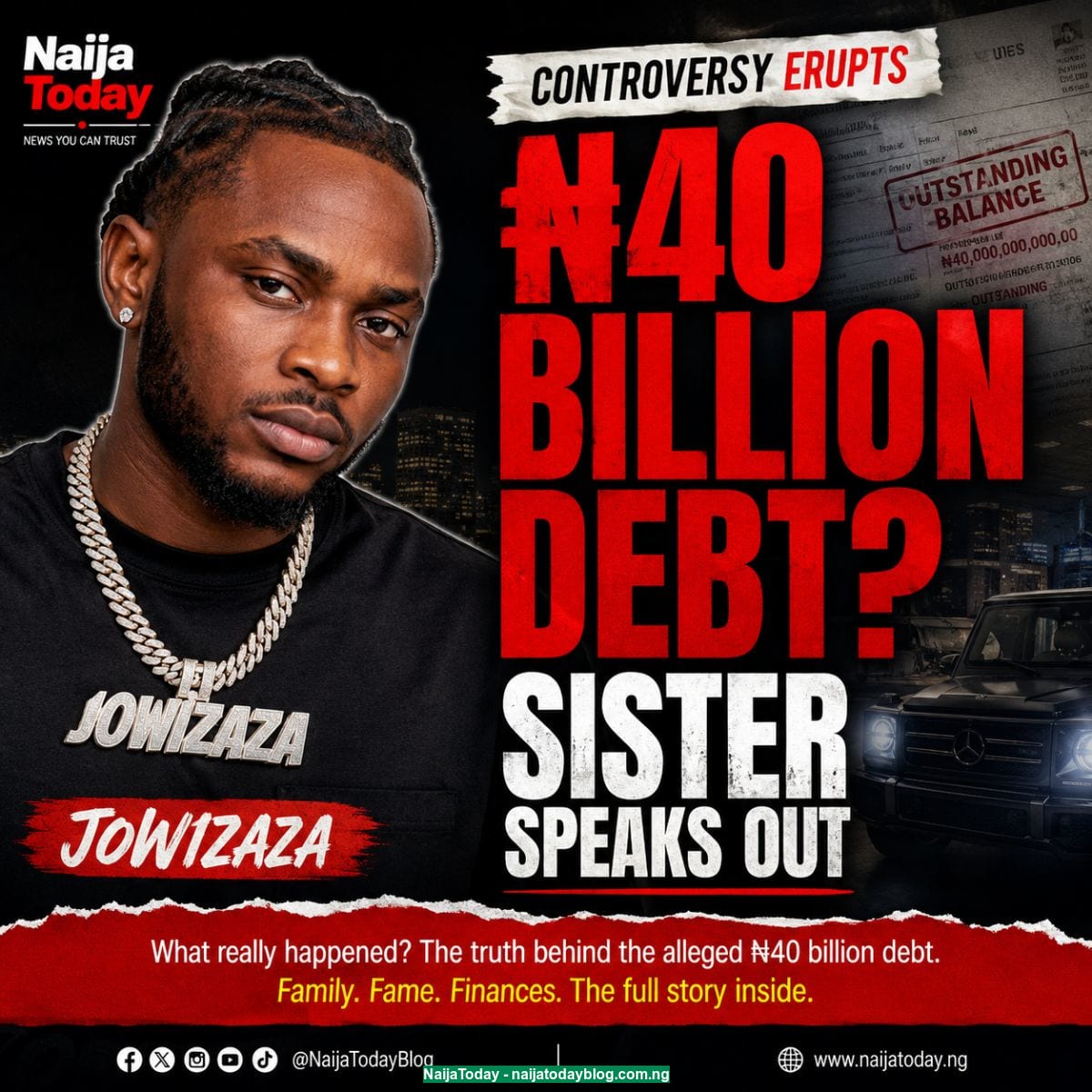
Jowizaza's sister has gone public with explosive
allegations, directly blaming her brother for their father's kidnapping and
claiming that Jowizaza owes a staggering ₦40 billion debt.
Forty billion naira. Let that number sit with you.
If these allegations are true, they would paint an entirely
different picture of one of Nigeria's most visible socialites — a man known for
his extravagant lifestyle, luxury cars, private jets, and Instagram-worthy
displays of wealth.
But are they true? What exactly happened? And what does this
mean for Chief Ezeokafor's safety?
Let's go through everything we know.
The Kidnapping: What We Know
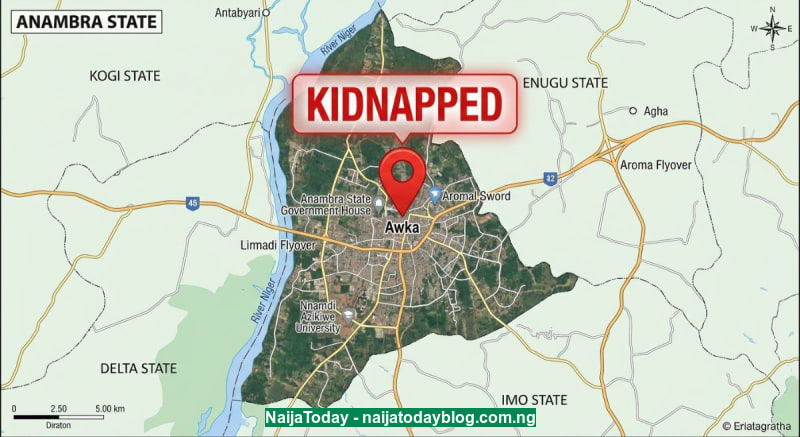
Chief Sir Joseph Ezeokafor, the founder and chairman of
Jezco Oil and the wider Jezco Group, was kidnapped in Awka, Anambra State.
According to reports, the 74-year-old businessman had gone
alone to a mountain in Ifite Awka for overnight prayers — without his security
details or police personnel. Unidentified gunmen abducted him during the prayer
session and took him to an undisclosed location.
Let's pause here. A 74-year-old billionaire. Going to a
mountain alone. At night. To pray. Without security.
In Anambra State. In 2026. When kidnapping for ransom is at
an all-time high.
The questions practically ask themselves.
The Ransom: From ₦700 Million to ₦1.5 BILLION
The kidnappers initially demanded ₦700 million for Chief
Ezeokafor's release. That alone would have been one of the highest ransom
demands in Nigerian history.
But then they increased it. To ₦1.5 billion.
One point five billion naira. For one man. The sheer
audacity of that demand tells you two things: first, the kidnappers know
exactly who they have. Second, they believe the family can pay.
As of the latest reports, both the Anambra State government
and the State's Police Headquarters have yet to make an official statement on
the kidnapping. That silence is deafening.
The Sister's Bombshell: "Jowizaza Is to Blame"
And then came the bombshell.
Jowizaza's sister publicly blamed him for their father's
kidnapping. But she didn't stop there. She alleged that Jowizaza owes a ₦40
billion debt, and implied that this debt is connected to the circumstances
surrounding their father's abduction.
Now, it is important to note that these are ALLEGATIONS.
Jowizaza has not publicly responded to his sister's claims as of the time of
writing. The full details and context of the alleged ₦40 billion debt have not
been independently verified.
But the allegations are explosive regardless.
If Jowizaza — known for his lavish lifestyle, fleet of
luxury cars, and extravagant social media presence — truly owes ₦40 billion, it
raises serious questions:
- Where
did the money come from originally?
- Who
are the creditors?
- Is
the kidnapping related to the debt?
- Was
the lifestyle we saw on Instagram real or borrowed?
These are questions that only Jowizaza can answer. And so
far, he hasn't.
Who Is Jowizaza? The Lifestyle That Made Headlines
For those unfamiliar, Jowizaza (real name Joseph Eze
Ezeokafor Jr.) is one of Nigeria's most visible socialites and the son of Chief
Sir Joseph Ezeokafor.
He became famous on social media for his extraordinary
displays of wealth — fleets of Rolls-Royces, Bentleys, Lamborghinis, private
jets, designer wardrobes, and a lifestyle that most Nigerians can only dream
of.
His Instagram page reads like a catalogue of excess. Every
post is a reminder that while the average Nigerian earns N70,000 per month,
some Nigerians are living in a completely different universe.
But the question that has always lurked beneath the surface
is: where does the money come from?
The Jezco Group is a legitimate business empire. Jezco Oil
is a major player in Nigeria's downstream petroleum sector. The family is
undeniably wealthy.
But ₦40 billion in debt? If true, it suggests that the
lifestyle may have been built on a foundation far shakier than the Instagram
posts suggested.
The Bigger Issue: Nigeria's Kidnapping Epidemic
Chief Ezeokafor's kidnapping, while high-profile, is far
from isolated. Nigeria is in the grip of a kidnapping epidemic that shows no
signs of slowing down.
Kidnapping for ransom has become one of the most profitable
criminal enterprises in Nigeria. From the forests of Zamfara to the highways of
the South-East, no region is safe. No social class is immune.
What makes the Ezeokafor case unique is the sheer scale of
the ransom demand — ₦1.5 billion — and the very public family feud that has
erupted in its wake. Most kidnapping cases in Nigeria are resolved quietly,
with families paying whatever they can and praying for their loved ones' safe
return.
But this case is being played out on the national stage. And
it's exposing uncomfortable truths about wealth, family dynamics, and security
in Nigeria.
The Silence of the Authorities
Perhaps the most troubling aspect of this story is the silence from the authorities.
Neither the Anambra State government nor the State Police
Headquarters have made official statements. In a country where the government
is supposed to guarantee the safety of its citizens, this silence is not just
disappointing — it's dangerous.
When a 74-year-old man is kidnapped and a ₦1.5 billion
ransom is demanded, and the government says nothing, what message does that
send? It tells every criminal that they can operate with impunity. It tells
every citizen that they're on their own.
The security agencies need to act. The government needs to
speak. Chief Ezeokafor's family needs answers. And Nigeria needs to confront
the reality that its kidnapping crisis is spiraling out of control.
What Happens Now?
The situation remains fluid. Several outcomes are possible:
- Ransom
negotiation: In most Nigerian kidnapping cases, the final ransom
paid is a fraction of the initial demand. The ₦1.5 billion demand may be
negotiated down significantly.
- Security
intervention: If the police and DSS are working behind the scenes
(as they often claim to be), a rescue operation is possible — though risky
for the victim.
- Jowizaza's
response: At some point, Jowizaza will need to address his
sister's allegations publicly. His response — or continued silence — will
shape public perception dramatically.
- Safe
release: The prayer of every Nigerian following this story is
simple: that Chief Ezeokafor is returned to his family safely. Everything
else — the debt allegations, the family drama, the political implications
— is secondary to one old man's life.
A Prayer and a Question
We pray for Chief Sir Joseph Ezeokafor's safe return.
Whatever family disputes exist, whatever financial allegations are flying
around, a 74-year-old man who went to a mountain to pray should not be in the
hands of criminals.
But we also need to ask ourselves: in a country where
billionaires are kidnapped for ₦1.5 billion, where is the average Nigerian? If
the wealthy are not safe, who is?
Nigeria's security crisis doesn't need another press
statement. It needs action. Real, sustained, visible action.
Until then, the prayers continue. And the kidnappers
continue to profit.
Do you think Jowizaza should respond to his sister's
allegations? And what should the government do about the kidnapping epidemic?
Tell us in the comments!
📰 Source: Pulse Nigeria 🔗
Naijatodayblog.com