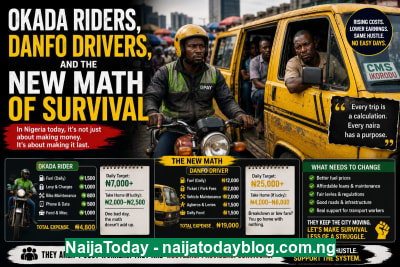
Nigeria’s Biggest Crisis Is No Longer Unemployment
A strange thing is happening across Nigeria in 2026.
People are working very hard.
Bus drivers wake up before sunrise.
Traders spend long hours under hot weather.
Office workers survive stressful traffic daily.
Freelancers stay awake all night chasing clients.
Students combine school with side hustles.
Yet despite all this effort, millions of Nigerians still feel financially trapped.
The shocking reality is that many people are no longer just afraid of unemployment.
They are afraid of being employed and still remaining broke.
Across Lagos, Abuja, Port Harcourt, Kano, Enugu, Ibadan, and other cities, the same complaint keeps appearing:
“I work every day, but my money disappears immediately.”
This has become one of the biggest social and economic conversations in Nigeria today.
People are exhausted financially.
Salaries disappear within days.
Food prices continue rising.
Transport costs increase unexpectedly.
Electricity bills become more painful monthly.
Rent feels impossible for average earners.
Even middle-class Nigerians now struggle quietly.
But why is this happening?
Why are people working harder while becoming poorer?
The answer goes deeper than many realize.
Nigeria’s Cost of Living Has Changed Completely
Five years ago, many Nigerians could still manage basic survival with average income.
Today, things are different.
The economic pressure on households has intensified dramatically.
A simple visit to the market now shocks many families.
Items that used to feel affordable suddenly appear like luxury products.
Rice.
Cooking oil.
Bread.
Eggs.
Transport fares.
Data subscriptions.
Electricity units.
Everything seems to rise faster than salaries.
The painful part is that income growth has not matched inflation.
This means people are earning money that buys less every month.
Economists call this declining purchasing power.
Ordinary Nigerians simply call it suffering.
The Hidden Psychological Pressure Nobody Talks About
One dangerous side effect of financial hardship is mental exhaustion.
Many Nigerians now live in permanent survival mode.
People wake up already worried.
They calculate expenses before breakfast.
Some avoid checking account balances because of anxiety.
Others secretly borrow money repeatedly just to maintain appearances.
Social media makes this even worse.
While many people struggle offline, the internet creates the illusion that everyone else is succeeding.
Luxury lifestyles flood Instagram and TikTok daily.
Young Nigerians constantly see:
Expensive vacations
New cars
Designer clothes
Luxury apartments
iPhones
International trips
This creates silent psychological pressure.
Many begin comparing their reality to edited online lifestyles.
The result is frustration, insecurity, depression, and emotional burnout.
Why Salaries No Longer Feel Enough
One major reason Nigerians feel poorer is because expenses now consume income faster than before.
Consider an average salary earner.
Transportation alone may consume a huge percentage monthly.
Data subscriptions have become essential for work and communication.
Electricity costs continue rising.
Food expenses increase constantly.
Unexpected emergencies destroy savings quickly.
After paying bills, little remains.
Some workers now survive through salary advances before month-end.
Others depend on loans to maintain basic living standards.
This cycle creates long-term financial instability.
The Rise of “Fake Comfort” in Nigeria
Another growing problem is what many now call fake comfort.
People appear financially stable online while secretly struggling offline.
Some Nigerians finance lifestyles through debt.
Others prioritize appearance over financial security because of societal pressure.
There is now intense pressure to:
Dress expensively
Own latest phones
Attend events
Maintain online appearances
Impress friends and relatives
Many young people fear looking unsuccessful.
As a result, some spend beyond their means trying to fit social expectations.
Unfortunately, this often leads to deeper financial problems.
Why Side Hustles Have Become Mandatory
Years ago, side hustles were optional.
Today, many Nigerians see them as survival necessities.
Teachers now sell products online.
Bank workers run weekend businesses.
Students manage social media pages.
Civil servants operate POS businesses.
Freelancers juggle multiple clients.
Even professionals now search for secondary income aggressively.
One income source no longer feels safe enough.
Economic uncertainty forced Nigerians into a hustle culture unlike anything seen before.
The Internet Has Become Nigeria’s New Marketplace
Despite the challenges, something important is changing.
Many Nigerians are adapting digitally.
The internet is becoming the new economic battlefield.
People now make money through:
Freelancing
Blogging
Affiliate marketing
YouTube
TikTok
Online classes
Crypto education
Digital products
Remote work
Social media management
Young Nigerians especially understand that smartphones can now generate income.
For many people, the internet is no longer entertainment alone.
It is survival infrastructure.
Why Nigerian Youths Are Losing Trust in Traditional Career Paths
A growing number of young Nigerians no longer believe traditional education guarantees financial success.
Graduates increasingly face:
Unemployment
Low salaries
Delayed promotions
Poor working conditions
This has changed youth mentality dramatically.
Many now focus more on skills than certificates.
Digital skills especially attract attention because they create global opportunities.
Young people are beginning to ask different questions:
“How can I earn online?”
“How can I build a personal brand?”
“How can I work remotely?”
“How can I monetize my skills internationally?”
The mindset shift is massive.
The Pressure on Nigerian Men Is Becoming Extreme
Economic hardship affects everyone, but many Nigerian men face unique financial pressure socially.
Society still expects men to:
Provide financially
Support families
Pay bills
Handle emergencies
Maintain relationships
Show strength emotionally
Many men silently struggle under this weight.
Some work multiple jobs.
Others hide financial problems from friends and partners.
Mental health conversations among Nigerian men remain limited, which makes the pressure even heavier.
Nigerian Women Are Reinventing Survival Strategies
Women across Nigeria are also adapting creatively to economic realities.
Many women now combine:
Remote jobs
Online businesses
Content creation
Beauty businesses
Mini importation
Digital marketing
Home-based entrepreneurship
Female entrepreneurship is expanding rapidly.
Social media platforms especially created opportunities for women to build independent income streams.
This shift is changing family dynamics and financial independence nationwide.
Why More Nigerians Want to Relocate Abroad
One major consequence of economic frustration is increased interest in relocation.
Many Nigerians now dream of leaving the country for better opportunities.
Searches related to:
UK visa
Canada jobs
Relocation opportunities
Scholarships abroad
Remote work abroad
continue increasing online.
For many youths, relocation represents escape from economic uncertainty.
However, relocation itself is expensive and highly competitive.
Not everyone who desires to leave eventually succeeds.
The Silent Rise of Financial Depression
Financial stress now affects emotional health more than many realize.
Some symptoms include:
Constant anxiety
Insomnia
Anger
Low motivation
Emotional exhaustion
Relationship tension
Money problems often damage confidence and peace of mind.
Unfortunately, many people suffer silently because discussing financial struggle publicly feels embarrassing.
Why Nigerians Are Becoming More Financially Aware
One positive outcome of hardship is increased financial awareness.
People now discuss:
Saving habits
Investments
Multiple income streams
Financial literacy
Budgeting
Emergency funds
More Nigerians are realizing that survival now requires smarter financial decisions.
The culture of depending on one salary alone is gradually fading.
Small Businesses Are Fighting to Survive
Business owners also face serious challenges.
Many small businesses struggle with:
High operating costs
Fuel expenses
Low customer purchasing power
Rent increases
Currency instability
Some businesses shut down quietly every month.
Others reduce staff to survive.
Entrepreneurship in Nigeria now requires extreme resilience.
The Future May Belong to Digitally Smart Nigerians
Despite the harsh realities, opportunities still exist.
The people adapting fastest are usually those learning digital skills, financial discipline, and online business strategies.
The future economy may reward:
Content creators
Remote workers
Tech professionals
Digital marketers
Freelancers
Online educators
AI-assisted entrepreneurs
The internet has reduced geographical limitations.
A skilled Nigerian can now earn globally from local environments.
This may become one of the country’s biggest economic advantages long-term.
Nigerians Are Tired — But Still Fighting
Perhaps the most remarkable thing about Nigerians is resilience.
Despite inflation, uncertainty, unemployment, rising bills, and daily pressure, people continue pushing forward.
Markets still open every morning.
Buses still move.
Businesses still operate.
Students still pursue dreams.
Young creators still build online brands.
Families still support one another.
The country continues functioning because ordinary Nigerians refuse to give up completely.
But one thing is becoming increasingly clear:
Working hard alone is no longer enough.
People now need financial intelligence, adaptability, digital awareness, and multiple income strategies to survive modern economic realities.
Nigeria is changing rapidly.
And millions are trying to figure out how to survive that change before it overwhelms them completely.