Fortunately, there are practical steps Nigerians can take to reduce spending and improve their financial situation.
Nigeria's economy has experienced significant changes in recent years. Inflation, exchange rate fluctuations, rising fuel prices, and increased transportation costs have contributed to higher living expenses for many citizens.
These economic realities have forced households to reassess their spending habits and financial priorities.
In the past, saving money was often viewed as something reserved for high-income earners.
Today, financial education experts emphasize that anyone can develop effective saving habits regardless of income level. The key is understanding where money is being spent and identifying opportunities to reduce unnecessary expenses.
Technology has also transformed personal finance management. Mobile banking applications, budgeting tools, digital wallets, and investment platforms now provide easier ways for Nigerians to monitor spending and build savings. Financial literacy campaigns have further increased awareness about the importance of budgeting, emergency funds, and long-term financial planning.
As economic uncertainty continues, developing strong financial habits has become more important than ever. Individuals who learn to manage their resources effectively are often better positioned to handle unexpected challenges and achieve their long-term goals.
One of the most effective ways to save money is by creating a monthly budget. Tracking income and expenses helps individuals understand where their money goes and identify areas where spending can be reduced.
Another important strategy is distinguishing between needs and wants. Essential expenses such as food, housing, transportation, and healthcare should take priority over non-essential purchases.
This simple habit can prevent unnecessary spending and improve financial discipline.
Reducing impulse buying can also have a major impact. Many people make purchases based on emotions or temporary desires. Waiting 24 hours before buying non-essential items often helps determine whether the purchase is truly necessary.
Cooking meals at home instead of eating out frequently can generate substantial savings.
Bulk purchasing of staple food items may also reduce overall grocery costs.
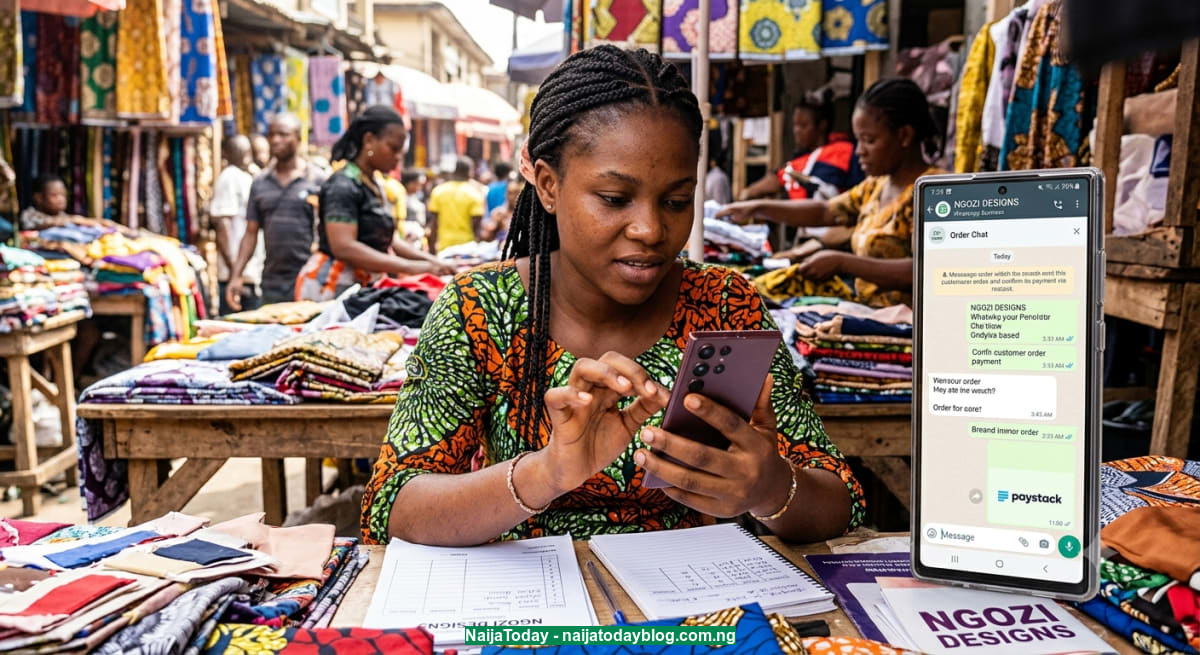
Building multiple sources of income is another increasingly popular strategy among Nigerians. Side businesses, freelancing, online services, content creation, and digital entrepreneurship provide opportunities to supplement primary income.
Energy conservation can further reduce household expenses. Switching off unused electrical appliances, using energy-efficient devices, and managing fuel consumption can lower monthly bills.
Saving automatically is another effective technique. Setting aside a fixed percentage of income immediately after receiving payment helps build financial discipline and prevents overspending.
Avoiding unnecessary debt is equally important. While loans can be useful in certain situations, excessive borrowing often creates financial stress and limits future opportunities.
Investing in personal development can also improve earning potential.
Acquiring new skills, certifications, and professional knowledge may lead to better career opportunities and increased income.
Finally, maintaining an emergency fund provides protection against unexpected expenses and financial shocks.
Many Nigerians who have adopted disciplined financial habits report noticeable improvements in their financial stability.
Young professionals frequently share stories of how budgeting helped them reduce wasteful spending and achieve savings goals.
Financial advisors consistently emphasize that small changes can produce significant long-term results. According to experts, successful money management is often more about consistency than income level.
Entrepreneurs also encourage individuals to explore additional income opportunities rather than relying solely on one source of earnings. The growth of the digital economy has created new possibilities for side hustles and remote work.
Social media discussions about personal finance have become increasingly popular. Many users exchange tips on budgeting, investing, and reducing living costs.
This growing interest in financial literacy reflects a broader desire among Nigerians to gain greater control over their finances.
Despite economic challenges, financial experts remain optimistic that responsible money management can help individuals navigate uncertain times more effectively.
Developing stronger financial habits can improve both short-term stability and long-term financial security. By controlling expenses, increasing savings, and creating additional income streams, Nigerians can become more resilient during economic challenges.
Better financial management also reduces stress and increases opportunities for investment, education, business growth, and family support.
Ultimately, small daily decisions can have a significant impact on future financial well-being.
Saving money in 2026 may be more challenging than ever, but it is still possible with discipline, planning, and smart financial decisions. Nigerians who embrace budgeting, responsible spending, multiple income sources, and consistent saving habits can improve their financial outlook despite economic pressures.
While no strategy eliminates every challenge, developing strong money management skills provides a solid foundation for long-term success. In a rapidly changing economy, financial discipline remains one of the most valuable tools individuals can possess.