Malaria Prevention: What Every Nigerian Family Should Know This Rainy Season
Category: Health | Author: NaijaToday Desk/Health | Published: Tue Jul 07 2026
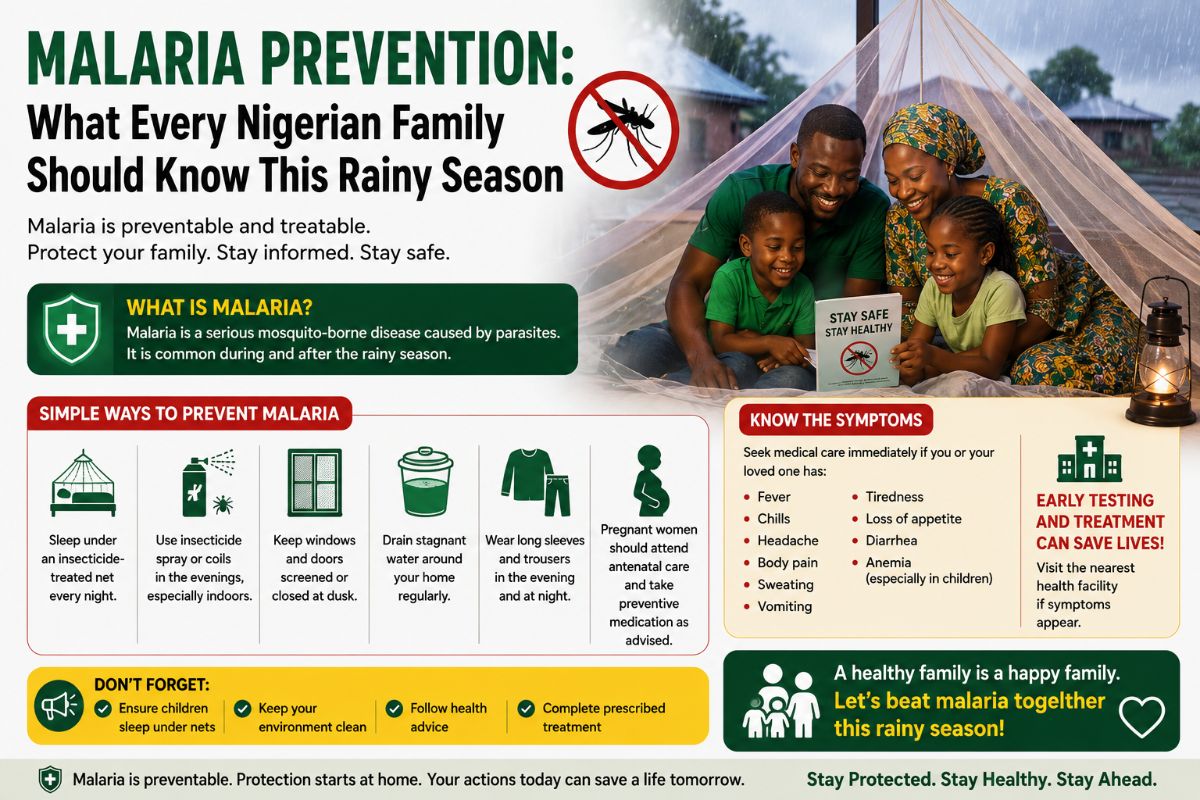
Nigeria records the world's highest malaria burden. Learn practical malaria prevention tips, symptoms to watch for, and how to protect your family during the rainy season.
The arrival of the rainy season in Nigeria brings welcome relief from extreme heat, greener surroundings, and better farming conditions. Unfortunately, it also marks the beginning of one of the country's biggest public health challenges— malaria . Every year, millions of Nigerians fall ill from malaria, making it one of the leading causes of hospital visits, missed school days, lost productivity, and preventable deaths. Despite decades of awareness campaigns and improved access to treatment, malaria continues to place a heavy burden on families, particularly those with young children and pregnant women. According to the World Health Organization's (WHO) 2025 World Malaria Report , Nigeria remains the country with the highest malaria burden in the world. The country accounts for 24.3% of all global malaria cases and 30.3% of malaria-related deaths , even though Nigeria represents only about 2.6% of the world's population . In simple terms, nearly one out of every four malaria cases recorded worldwide occurs in Nigeria. The good news is that malaria is both preventable and treatable . Understanding how mosquitoes spread the disease, recognizing symptoms early, and taking simple preventive measures can significantly reduce the risk of infection for you and your family. Here's what every Nigerian household should know during this rainy season. Why Malaria Cases Rise During the Rainy Season Malaria is caused by parasites that are transmitted through the bites of infected female Anopheles mosquitoes . These mosquitoes breed in stagnant water. During the rainy season, water collects in places such as: Blocked drainage systems Open containers Old tyres Potholes Abandoned buckets Construction sites Gutters Water storage tanks without covers As mosquito breeding increases, so does the likelihood of malaria transmission. This explains why hospitals across Nigeria typically record higher malaria cases during and shortly after the rainy months. Nigeria's Malaria Burden Remains the Highest in the World Malaria continues to affect every region of Nigeria, but the disease does not impact all communities equally. According to WHO data, Nigeria contributes almost one-quarter of all malaria cases globally and nearly one-third of all malaria deaths. These statistics highlight the enormous challenge facing the country's healthcare system. Beyond the health implications, malaria also has significant economic consequences. Families spend billions of naira annually on treatment, transportation to hospitals, medications, and lost working days. Children miss school, businesses lose productivity, and household incomes suffer whenever family members become ill. Children Under Five Face the Greatest Risk Young children remain the most vulnerable group. Across the WHO African Region, children under five account for approximately 75–76% of all malaria deaths . Their immune systems are still developing, making it harder for them to fight severe infections. In Nigeria, the Niger