Why Faith Continues to Shape the Lives of Millions of Nigerians in 2026
Category: Religion | Author: NaijaToday Desk | Published: Sat Jun 13 2026
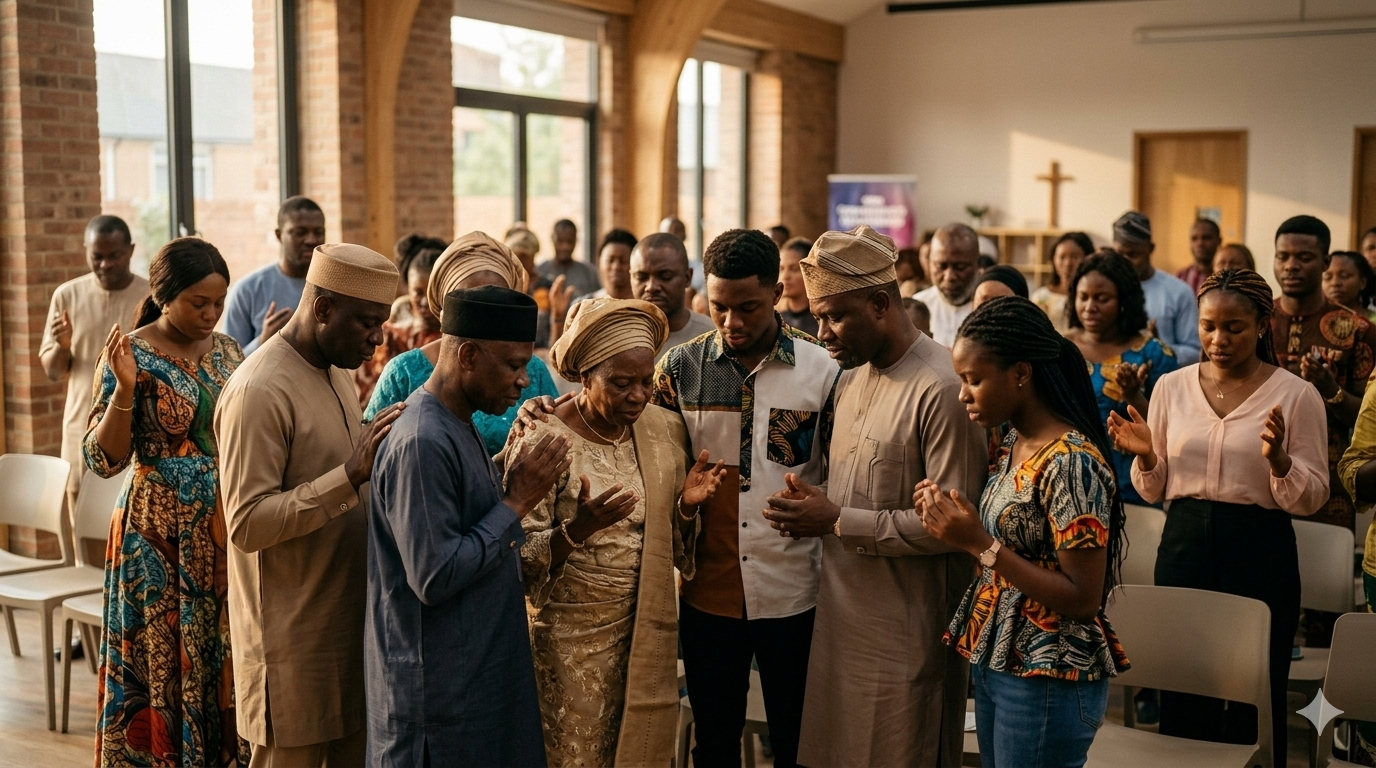
Explore how religion continues to influence family life, business, education, and personal values among millions of Nigerians in 2026. Religion remains one of the most powerful influences in Nigerian society, shaping personal decisions, community relationships, and national conversations.
The Role of Religion in Modern Nigeria: Why Faith Continues to Shape Millions of Lives in 2026 Religion remains one of the most powerful influences in the lives of millions of Nigerians. Across major cities, small towns, and rural communities, faith continues to shape how people think, make decisions, raise children, conduct business, and interact with society. Whether through Christianity, Islam, or traditional belief systems, religion remains deeply woven into Nigeria's cultural identity and social structure. Despite rapid technological advancement, globalization, and modernization, places of worship continue to attract millions of followers every week. For many Nigerians, religion goes far beyond attending church services or Friday prayers. It represents identity, community, hope, discipline, and purpose. In 2026, religion remains not only a spiritual practice but also a powerful force influencing national conversations, cultural values, and community development throughout the country. Nigeria's Reputation as One of the World's Most Religious Nations Nigeria has long been recognised as one of the most religious countries in the world. Religious activities are visible in virtually every part of society. Churches and mosques are found in almost every neighbourhood, while religious messages dominate radio stations, television channels, newspapers, and social media platforms. Major religious gatherings attract enormous crowds and generate nationwide attention. For many Nigerians, religious identity forms an important part of personal identity and family life. Children are often introduced to faith traditions from an early age, and religious celebrations remain central to community life. This strong religious culture has continued across generations and remains a defining characteristic of Nigerian society. Religion as a Source of Hope During Difficult Times Nigeria has experienced numerous social and economic challenges over the years, including inflation, unemployment, insecurity, and political uncertainty. During these difficult periods, religion has often served as a major source of comfort and resilience for millions of citizens. Many Nigerians turn to faith for emotional support, encouragement, and guidance when facing personal or financial difficulties. Prayer meetings, counselling sessions, and religious gatherings often provide hope during periods of uncertainty. For families dealing with illness, unemployment, bereavement, or economic hardship, faith communities frequently become important support systems. Religious institutions provide spaces where people can share burdens, seek encouragement, and find reassurance that difficult situations can improve. For many Nigerians, faith remains one of the strongest sources of emotional strength. The Historical Contribution of Religious Institutions Religious organizations have played important roles in Nigeria's development long before independence. Many of the country's oldest schools, hospital