Everybody Is Broke”: Why Millions of Nigerians Are Working Harder Than Ever but Getting Poorer in 2026
Category: Lifestyle | Author: NaijaToday Desk | Published: Sat Jun 20 2026
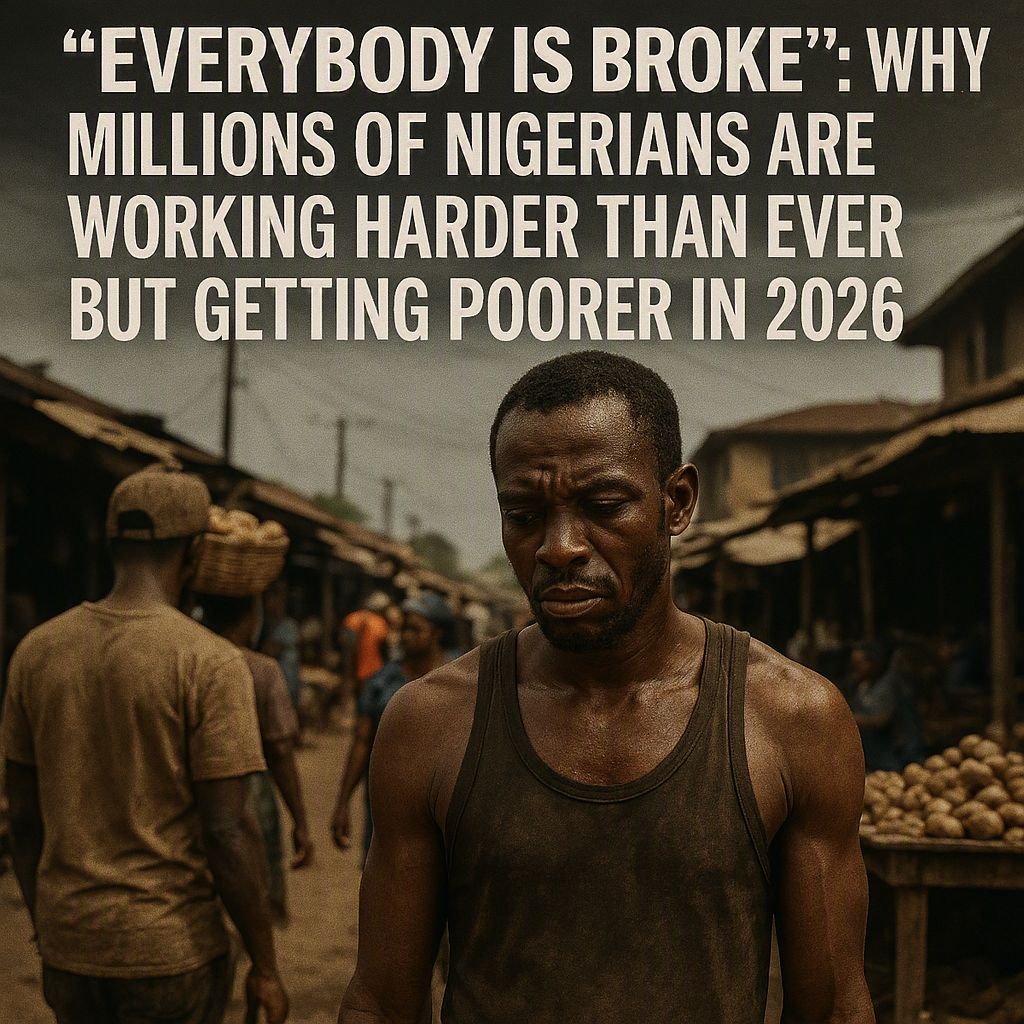
Millions of Nigerians are working harder than ever, yet struggling financially in 2026. Discover the real reasons behind rising hardship, side hustle culture, inflation, online survival trends, and the changing Nigerian economy.
Nigeria’s Biggest Crisis Is No Longer Unemployment A strange thing is happening across Nigeria in 2026. People are working very hard. Bus drivers wake up before sunrise. Traders spend long hours under hot weather. Office workers survive stressful traffic daily. Freelancers stay awake all night chasing clients. Students combine school with side hustles. Yet despite all this effort, millions of Nigerians still feel financially trapped. The shocking reality is that many people are no longer just afraid of unemployment. They are afraid of being employed and still remaining broke. Across Lagos, Abuja, Port Harcourt, Kano, Enugu, Ibadan, and other cities, the same complaint keeps appearing: “I work every day, but my money disappears immediately.” This has become one of the biggest social and economic conversations in Nigeria today. People are exhausted financially. Salaries disappear within days. Food prices continue rising. Transport costs increase unexpectedly. Electricity bills become more painful monthly. Rent feels impossible for average earners. Even middle-class Nigerians now struggle quietly. But why is this happening? Why are people working harder while becoming poorer? The answer goes deeper than many realize. Nigeria’s Cost of Living Has Changed Completely Five years ago, many Nigerians could still manage basic survival with average income. Today, things are different. The economic pressure on households has intensified dramatically. A simple visit to the market now shocks many families. Items that used to feel affordable suddenly appear like luxury products. Rice. Cooking oil. Bread. Eggs. Transport fares. Data subscriptions. Electricity units. Everything seems to rise faster than salaries. The painful part is that income growth has not matched inflation. This means people are earning money that buys less every month. Economists call this declining purchasing power. Ordinary Nigerians simply call it suffering. The Hidden Psychological Pressure Nobody Talks About One dangerous side effect of financial hardship is mental exhaustion. Many Nigerians now live in permanent survival mode. People wake up already worried. They calculate expenses before breakfast. Some avoid checking account balances because of anxiety. Others secretly borrow money repeatedly just to maintain appearances. Social media makes this even worse. While many people struggle offline, the internet creates the illusion that everyone else is succeeding. Luxury lifestyles flood Instagram and TikTok daily. Young Nigerians constantly see: Expensive vacations New cars Designer clothes Luxury apartments iPhones International trips This creates silent psychological pressure. Many begin comparing their reality to edited online lifestyles. The result is frustration, insecurity, depression, and emotional burnout. Why Salaries No Longer Feel Enough One major reason Nigerians feel poorer is because expenses now consume income faster than before. Consider an average salary earner. Transpor